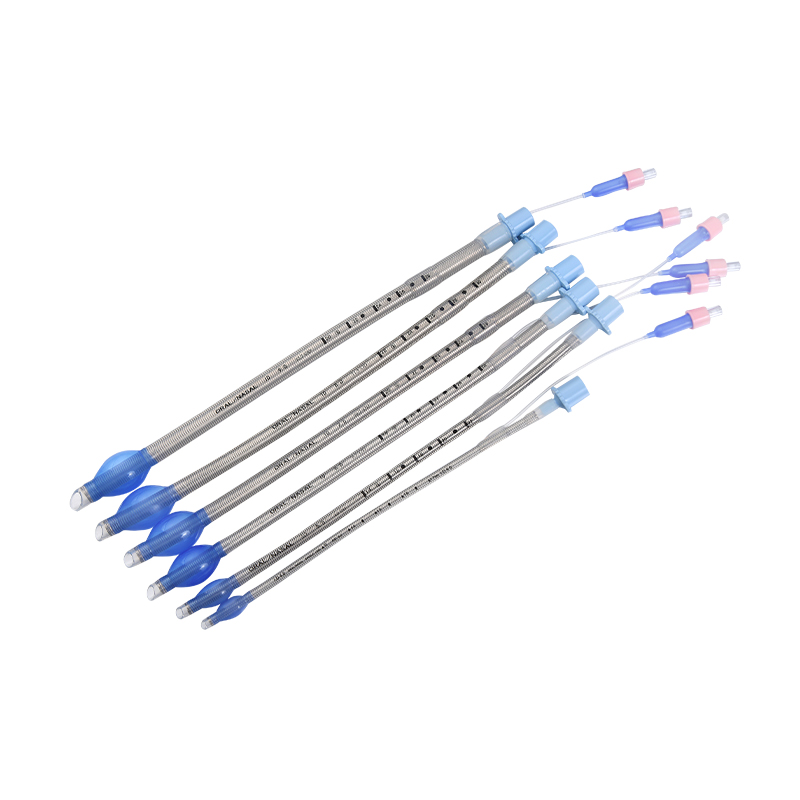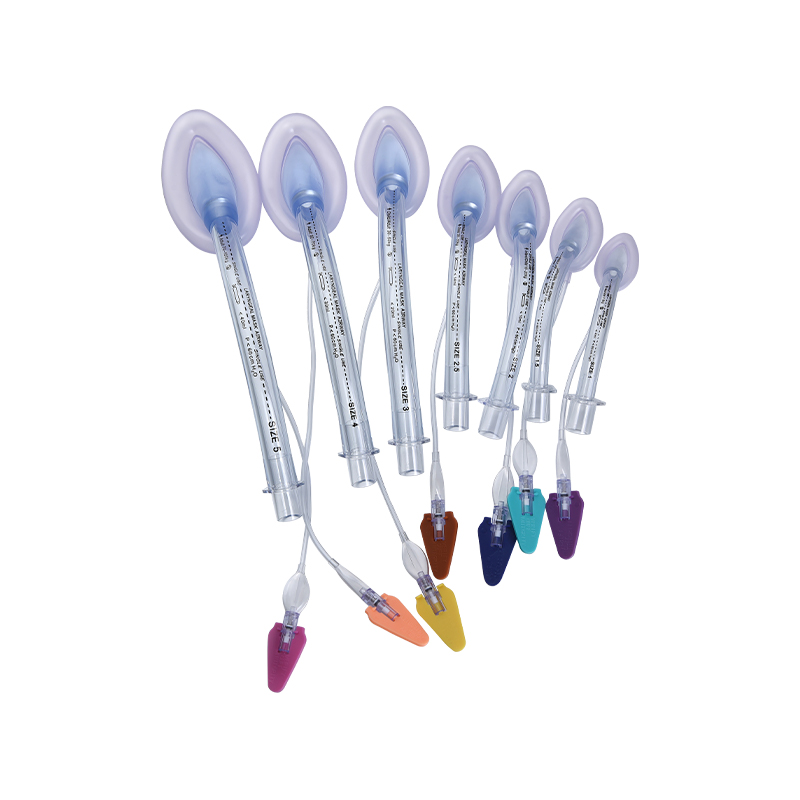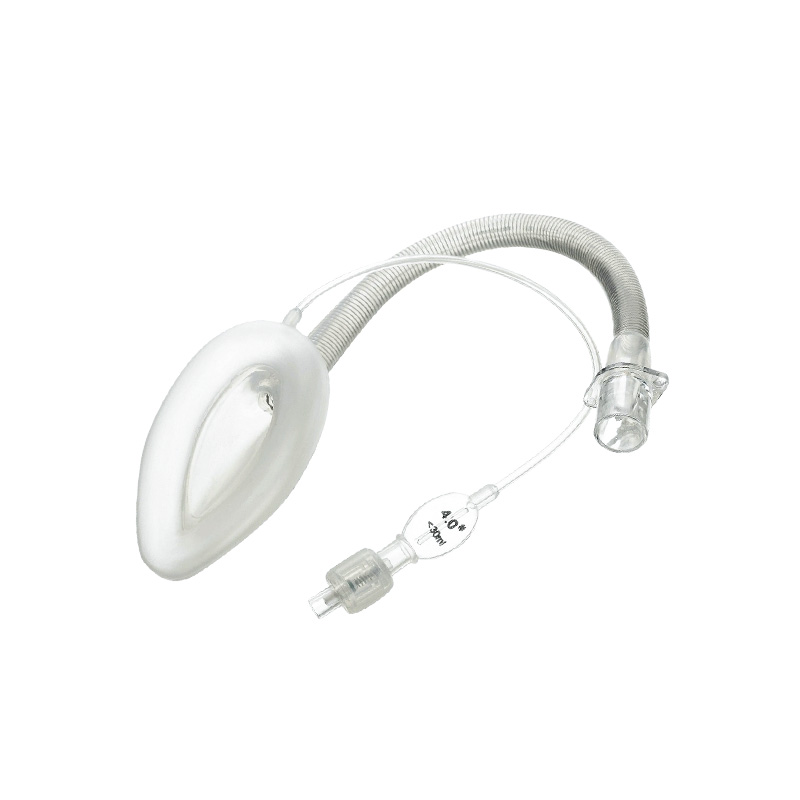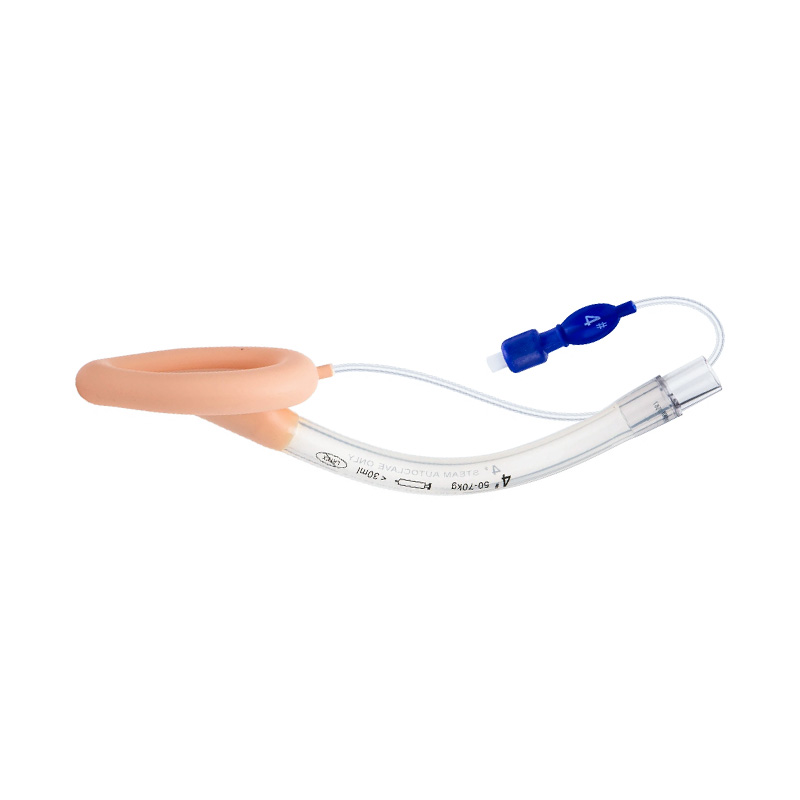


Um circuito respiratório é um sistema médico de tubos, válvulas e conectores projetados para fornecer oxigênio e gases anestésicos aos pacientes e, ao mesmo tempo, remover o dióxido de carbono com eficiência e segurança. Ele serve como um elo crítico entre máquinas de anestesia ou ventiladores e as vias aéreas do paciente, garantindo trocas gasosas controladas durante cirurgia ou tratamento de terapia intensiva.
Em ambientes clínicos, os circuitos respiratórios são essenciais para manter a oxigenação e a ventilação estáveis, especialmente durante a anestesia geral, onde a respiração espontânea é suprimida.
Esses tubos transportam gás fresco da máquina de anestesia para o paciente e devolvem os gases exalados ao sistema para remoção ou recirculação, dependendo do tipo de circuito.
O conector em Y liga os ramos inspiratórios e expiratórios a uma única interface do paciente, garantindo fornecimento suave de gás e fluxo de retorno.
Esta bolsa flexível permite o controle manual da ventilação e atua como espaço de armazenamento temporário para gases anestésicos, ajudando os médicos a ajustar o suporte respiratório.
Em circuitos fechados e semifechados, o dióxido de carbono é removido com cal sodada ou outros absorventes, permitindo a reinalação segura dos gases anestésicos.
Em sistemas abertos, os gases exalados são liberados no meio ambiente. Estes raramente são usados hoje devido à baixa eficiência e alto desperdício anestésico.
Esses sistemas reciclam parcialmente os gases, ao mesmo tempo que permitem o fornecimento de oxigênio fresco e anestésico. Eles são comumente usados em salas de cirurgia para eficiência equilibrada.
Os sistemas semifechados reutilizam uma parcela significativa dos gases exalados após a remoção do CO₂, melhorando a eficiência de custos e reduzindo o consumo de gás em até 40–60% .
Os circuitos fechados reciclam totalmente os gases exalados após a absorção de CO₂, oferecendo máxima eficiência e mínimo desperdício anestésico.
Os circuitos respiratórios são essenciais durante procedimentos cirúrgicos onde os pacientes necessitam de inconsciência controlada e suporte ventilatório mecânico.
Em ambientes de UTI, os circuitos conectam ventiladores a pacientes gravemente enfermos, garantindo o fornecimento preciso de oxigênio e a remoção de dióxido de carbono.
Os circuitos respiratórios são usados em salas de emergência e ambulâncias para estabilizar pacientes com insuficiência respiratória ou trauma.
Circuitos especializados de baixo volume são usados para bebês para garantir ventilação suave com variação mínima de pressão.
| Tipo de Circuito | Eficiência de Gás | Remoção de CO₂ | Uso Clínico |
|---|---|---|---|
| Circuito Aberto | Baixo | Nenhum | Uso raro hoje |
| Circuito Semiaberto | Médio | Parcial | Anestesia geral |
| Circuito semifechado | Alto (economia de 40–60%) | Eficaz | Uso cirúrgico e em UTI |
| Circuito Fechado | Muito alto | Absorção completa | Umdvanced anesthesia systems |
A vedação adequada das conexões do circuito é fundamental para evitar vazamento de gás e garantir uma pressão de ventilação consistente.
Manter a umidade adequada evita o ressecamento das vias aéreas, enquanto o controle da temperatura garante o conforto do paciente durante procedimentos longos.
O monitoramento contínuo de oxigênio, CO₂ e concentração de anestésico é essencial para a segurança do paciente e o gerenciamento eficaz da anestesia.
As inovações recentes concentram-se na melhoria da segurança, eficiência e conforto do paciente através de um design mais inteligente e da integração com sistemas de monitorização digital.
Essas melhorias ajudam a reduzir complicações relacionadas à ventilação e a melhorar os resultados em ambientes cirúrgicos e de cuidados intensivos.

Edifício 16, Parque de Microenterprise Shengrong, cidade de Mazhu, cidade de Yuyao, província de Zhejiang, China

Tel: +86-0574-6668898

E-mail: [email protected]
Copyright © Ningbo Yuxin Medical Equipment Co., Ltd., All Rights Reserved.

The information provided on this website is intended for use only in countries and jurisdictions outside of the People's Republic of China.